- English
- French
- German
- Portuguese
- Spanish
- Russian
- Japanese
- Korean
- Arabic
- Greek
- German
- Turkish
- Italian
- Danish
- Romanian
- Indonesian
- Czech
- Afrikaans
- Swedish
- Polish
- Basque
- Catalan
- Esperanto
- Hindi
- Lao
- Albanian
- Amharic
- Armenian
- Azerbaijani
- Belarusian
- Bengali
- Bosnian
- Bulgarian
- Cebuano
- Chichewa
- Corsican
- Croatian
- Dutch
- Estonian
- Filipino
- Finnish
- Frisian
- Galician
- Georgian
- Gujarati
- Haitian
- Hausa
- Hawaiian
- Hebrew
- Hmong
- Hungarian
- Icelandic
- Igbo
- Javanese
- Kannada
- Kazakh
- Khmer
- Kurdish
- Kyrgyz
- Latin
- Latvian
- Lithuanian
- Luxembou..
- Macedonian
- Malagasy
- Malay
- Malayalam
- Maltese
- Maori
- Marathi
- Mongolian
- Burmese
- Nepali
- Norwegian
- Pashto
- Persian
- Punjabi
- Serbian
- Sesotho
- Sinhala
- Slovak
- Slovenian
- Somali
- Samoan
- Scots Gaelic
- Shona
- Sindhi
- Sundanese
- Swahili
- Tajik
- Tamil
- Telugu
- Thai
- Ukrainian
- Urdu
- Uzbek
- Vietnamese
- Welsh
- Xhosa
- Yiddish
- Yoruba
- Zulu

The chemical changes that have been made to Hydrogenated Lecithin Powder make it a strong lubricant. By controlling hydrogenation, this changes the double bonds in chains of fatty acids. Because of this change, the combination is much more stable, can handle heat better, and keeps emulsifying well across a wide range of pH levels and temperatures. The new phospholipid complex is amphiphilic, which means it can work well with both oil and water. In tough recipes where other emulsifiers fail, this makes stable emulsions. It is very useful in cosmetics, medicines, and food that need to stay stable for a long time because it doesn't degrade as quickly and lasts longer.
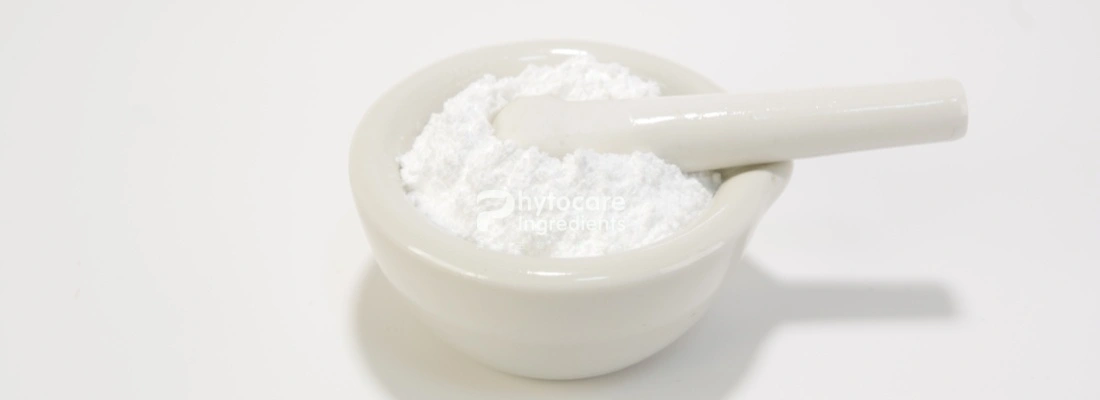
Understanding Hydrogenated Lecithin Powder and Its Emulsifying Power
The Chemical Transformation Behind Superior Stability
Iodine value drops to less than 3.0 g I2/100 g when hydrogenation takes place, which changes natural lecithin by saturating unsaturated fatty acid chains. The weak double bonds in standard lecithin break down, go bad, and change color. This change to the chemical structure breaks those bonds. There is a white to pale yellow solid powder that is made at the end. Depending on the grade, it has phosphatidylcholine levels between 20% and 95%.
Amphiphilic Structure and Surface Activity
The new phospholipid has parts that are hydrophilic (loves water) and lipophilic parts (loves oil). At the point where oil and water meet, it is fully charged. The ingredient lowers interfacial tension because it is amphiphilic. This makes it easier to make stable emulsions, even in complex formulas with a lot of active ingredients. It is very helpful for making liposomal structures that look like skin cells are arranged in layers because it can make hard membranes.
Enhanced Performance Parameters
There are important chemical and physical traits of this ingredient that show it is very steady. It's very fresh if the peroxide value is less than 5 meq/kg. This means that there isn't much oxidation. Acid levels stay below 30.0 mg KOH/g, and the element stays stable at temperatures over 80°C when there is a lot of pressure. When native lecithin is stressed during production, it breaks down quickly. But this Hydrogenated Lecithin Powder keeps its useful properties even during tough production processes. This means that you can trust the results more and there are fewer mistakes in each batch.
Key Applications and Benefits in B2B Sectors
Food Manufacturing Excellence
This grease spreads fat and water out evenly and keeps things from sticking together, which makes working with dough easier and keeps baked goods fresh longer. Hydrogenated Lecithin Powder always works, even when baking at high temperatures, where the standard form would break down. Companies that make chocolate and sweets like that can use it to lower viscosity and improve flow. This makes sauces work better and gives food a better feel. Because the vitamins last longer, companies that make them can make powdered drinks and meal replacements that stay emulsified for as long as they're meant to without having to worry about preservatives.
Advanced Cosmetic Formulations
People who make skin care products mix the oil and water parts of creams, lotions, and serums with this mild agent. Its biomimetic structure is a lot like the way the lipids in our skin's top layer are put together. Because of this, it can fix skin protection that isn't working right and stop water loss through the epidermis. Since it is safe, it can be used in products for sensitive skin where there is a low chance of making the skin feel bad. It's easier to make complicated transport systems like liposomes and nano-emulsions that hold unstable actives like astaxanthin, vitamin C, and retinol. To keep them from being broken down by enzymes and make them more bioavailable, they are coated. Well-known hair care brands use this ingredient to treat hair and make it stronger without leaving behind the sticky film that normal lecithin does. The stable structure of the phospholipids makes the product work better and makes customers happy. By taking away fears about color changes caused by rust, it also supports the clean beauty stance.
Pharmaceutical and Dermatological Applications
This part of the recipe is used to make controlled-release formulas' main vesicles by people who make drug delivery systems. The fixed structure of phospholipids makes it easier for drugs to get into the body and to the right organs. Barrier creams for atopic dermatitis rely on its ability to self-organize into lamellar liquid crystals that fill in holes in damaged skin. This helps people with eczema and severe dryness right away. Topical medicines work better when they contain ingredients that the skin can easily absorb and that allow active chemicals to pass through the stratum corneum.
Comparing Hydrogenated Lecithin Powder with Alternative Solutions
Structural and Functional Differences
It is important to know the differences between Hydrogenated Lecithin Powder, liquid lecithin, and non-hydrogenated types of an ingredient to make sure that it works the way a business needs it to. It breaks down quickly because liquid lecithin still has open bonds. In other words, it can only be stored for 12 to 18 months at most, even in the best circumstances. Because it is thick, it is harder to handle and dose correctly in industry automatic systems. When you don't hydrogenate powders, they are easier to work with than liquids. However, their weak double bonds make them less solid over time. These ways for oxygen to get rid of Hydrogenated Lecithin Powder are blocked by full saturation. There are no added chemicals, so the food can stay fresh for up to 24 to 36 months. Because it's a powder that doesn't stick together, it's easy to measure, mix, and add to dry blends. That's not all. Hydrogenated Lecithin Powder stays stable at temperatures up to 180°C, while the standard form starts to break down at those temps. This means it can be used in high-temperature spray-drying and hot-fill manufacturing, among other things.
Selection Criteria for Procurement Teams
It is important for workers who are getting emulsifiers to think about what the end-use application needs. Because they don't smell like fish or beany, Hydrogenated Lecithin Powder types are better for skin care items that need to last a long time and not have any scent for that reason. Users in the pharmaceutical industry who need to be sure of the quality choose pharmaceutical-grade standards that come with full records of analysis that show heavy metals screening, bacterial testing, and liquid analysis of any leftovers. When looking at prices, we can see that Hydrogenated Lecithin Powder costs 15–25% more than liquid lecithin. But the money spent is well worth it because there are fewer batch failures, the product lasts longer, and antioxidants are not needed. Certification needs vary from market to market. Standards that are safe for food are enough for healthy additives. For makeup uses, you might need a COSMOS or NATRUE certificate. For medical uses, you must follow USP or EP standards.
Procurement Guide for Hydrogenated Lecithin Powder
Identifying Reliable Manufacturing Partners
If you want to do good sourcing, you should first check the sellers' qualifications and output skills. Find companies that have been around for at least twenty years. They have been stable and have learned a lot about technology, as shown by this. Certification records should show that they follow quality standards around the world, such as ISO9001, ISO22000, HACCP, and GMP. This will make sure that quality control stays the same during the whole production process. It's easier for finished goods to get into markets with more rules when they have more approvals, such as FDA registration, ORGANIC, BRC, KOSHER, and HALAL. How easy and cheap it is to get raw materials depends on where a business is located. Suppliers who are close to farms can get non-GMO soybeans or other sources of lecithin straight from the farmers. This lets them offer good prices without lowering the quality. With long-term partnerships with well-known food makers, there is always a supply, even when the market changes or the seasons change.
Understanding MOQs and Pricing Structures
Standard grades say that the lowest amount that two businesses can buy from each other at once is between 25 kg and 500 kg. When you buy a lot of something, you can often get a higher price that helps your regular buyers and your bottom line. Get full quotes that show how much each grade of phosphatidylcholine costs. When it comes to formulas, 70% PC and 90% PC types are used for different things and cost different amounts. When you buy something, you should think about how long it will take to get to you. Salespeople you can trust keep enough stock on hand to meet orders within two weeks. This keeps production moving along. It's just as important how quickly you answer as it is how well you answer. When suppliers respond with expert answers and quotes within one business day, it shows that they can work quickly, which is important for fast supply chain management.
Logistics and Compliance Documentation
So that foreign shipping can work, logistics solutions need to be able to handle a number of different shipping methods. For example, air freight is better for urgent orders than sea freight because it saves money on shipping big packages. When buyers with a lot of experience handle the paperwork, tax classifications, and import rules that are specific to the places where the goods are going, the process of buying across borders goes faster. There is a full proof of analysis that comes with each batch. It shows the amount of phospholipids, wetness, microbes, heavy metals, and liquids that are still present. With these COAs, you can keep track of things and make sure that the law is being followed. When lab test results are made public by providers, it builds trust, which is important for long-term relationships.
How to Maximize the Benefits of Hydrogenated Lecithin Powder in Your Products
Optimal Dosage and Formulation Practices
To get steady emulsification, you need to use the right amount of each thing. Most of the time, 0.1% to 2% of the formulation's total weight is used. For simple oil-in-water emulsions, lower amounts are enough. But for complex multi-phase systems or things with a lot of lipids, higher amounts are needed. Skincare formulators usually aim for amounts between 0.5 and 1.5% so that the ingredients can mix well and still have the right taste. Process factors have a big impact on how good the final product is. Hydrogenated Lecithin Powder works best with water phases that have been cooked above 60°C, because that's where it grows and absorbs fully before being mixed with oil phases. Things stay fixed, and phospholipid structures don't break down when the pH is between 4.0 and 8.0. High-shear mixing helps the ingredients get mixed in all the way through. The emulsion is more solid because the drops are smaller.
Ingredient Synergies and Troubleshooting
When this lubricant is mixed with things that work well together, the benefits to performance are increased. It's more stable in more than one way when you mix it with co-emulsifiers like cetearyl alcohol or glyceryl stearate. It forms a surface film and a lamellar gel network structure. Haemoglobin, glycerin, or hyaluronic acid added to phospholipids help the skin barrier heal by keeping the balance of lipids and water. Most of the time, formulators can fix phase separation problems by changing the temperature of the water, adding more emulsifiers, or working for longer periods of time. It is possible to find defensive systems that will still work even if they don't get along with others. These systems won't change the structure of phospholipid membranes. The way things are stored is important. The items will work better for longer if you keep them in cool, dry places that aren't in full sunlight.
Emerging Innovation Trends
Transportation systems will keep getting better and more complicated as emulsifier technology keeps getting better. Newer liposomal versions have particles that are less than 100 nanometers in size. This makes them easier to swallow and better at their job. Mixed methods that use liposomes and plastic carriers make controlled-release powders stronger. Because of these trends, B2B clients can make sure that their product lines will still be useful in the future by coming up with new recipes that do real good for customers and support high positioning strategies.
Conclusion
As long as the chemicals don't change, Hydrogenated Lecithin Powder has a special ability to mix things together. In the food, drug, and skincare businesses, it's a safe way to solve tough formulation issues. For fatty acid chains to stop being sensitive to oxidation, they must be fully saturated. However, they still have great emulsification qualities. This means that the item will work well in many different temperature and pH levels. This guide talks about the structural benefits, application-specific benefits, and methods for buying them. If B2B workers read this, they can make smart decisions about where to buy things that will improve the quality of the finished goods and make supply lines run more smoothly. It is important for companies that want to be creative and keep customers happy that they have this material on hand. It can be used in liposomal delivery systems, barrier repair goods, and food.
FAQ
Is hydrogenated lecithin safe for use in cosmetic formulations?
This nutrient has a higher safety grade than native lecithin and is less likely to make you feel bad. It gets rid of unsaturated groups that can oxidize and cause reactions that make things more sensitive. In other words, Hydrogenated Lecithin Powder can be used in products for people with sensitive skin or allergies. A lot of different groups, like the FDA and the European Commission, say it is safe to use as a makeup as long as it is put on properly.
How does shelf life compare with liquid lecithin alternatives?
When stored properly, Hydrogenated Lecithin Powder usually stays stable for 24 to 36 months. This is a lot longer than the 12 to 18 months that liquid lecithin can be kept. As the fatty acid chains get full, they can't go through any more oxidation processes that cause them to go rotten or turn brown. In other words, the emulsifying action stays the same even after being stored for a long time.
What methods verify pharmaceutical-grade compliance?
Full analytical tests must be done, and reports of analysis must be shown for standards that are good enough for medicinal use. When you check something, you look for heavy metals like lead, arsenic, mercury, and cadmium, as well as microbial tests like total plate count and viruses, and leftover solvent analysis. The information you need to follow the rules for drugs and medical devices can be gotten from suppliers who meet USP or EP book standards.
Partner with Phytocare for Premium Hydrogenated Lecithin Powder Supply
We want buying teams to see how dependable and good it is to work with a qualified company that has been making things for more than 20 years. Both pharmaceutical-grade and cosmetic-grade goods made by Phytocare meet the standards set by ISO, FDA, ORGANIC, COSMOS, NATRUE, BRC, KOSHER, and HALAL. Quotes will be sent within one business day, and products will be delivered within two weeks through a range of shipping options that are suited to your needs. We not only offer approved goods, but also full technical support, such as help with creating and working with R&D teams in person. Contact us at info@phytocarechina.com to talk about your specific needs, request certificates of analysis, and learn how our Hydrogenated Lecithin Powder seller can help your production processes and speed up product development.
References
1. van Hoogevest, P., & Wendel, A. (2014). The use of natural and synthetic phospholipids as pharmaceutical excipients. European Journal of Lipid Science and Technology, 116(9), 1088-1107.
2. Schneider, M. (2009). Phospholipids for functional food. European Journal of Lipid Science and Technology, 111(11), 1088-1097.
3. Küllenberg, D., Taylor, L. A., Schneider, M., & Massing, U. (2012). Health effects of dietary phospholipids. Lipids in Health and Disease, 11(1), 3-16.
4. Szuhaj, B. F. (2005). Lecithins. In F. Shahidi (Ed.), Bailey's Industrial Oil and Fat Products (6th ed., pp. 361-443). Hoboken: John Wiley and Sons.
5. Palacios, L. E., & Wang, T. (2005). Egg-yolk lipid fractionation and lecithin characterization. Journal of the American Oil Chemists' Society, 82(8), 571-578.
6. Nieuwenhuyzen, W. V., & Tomás, M. C. (2008). Update on vegetable lecithin and phospholipid technologies. European Journal of Lipid Science and Technology, 110(5), 472-486.